 Skip to content
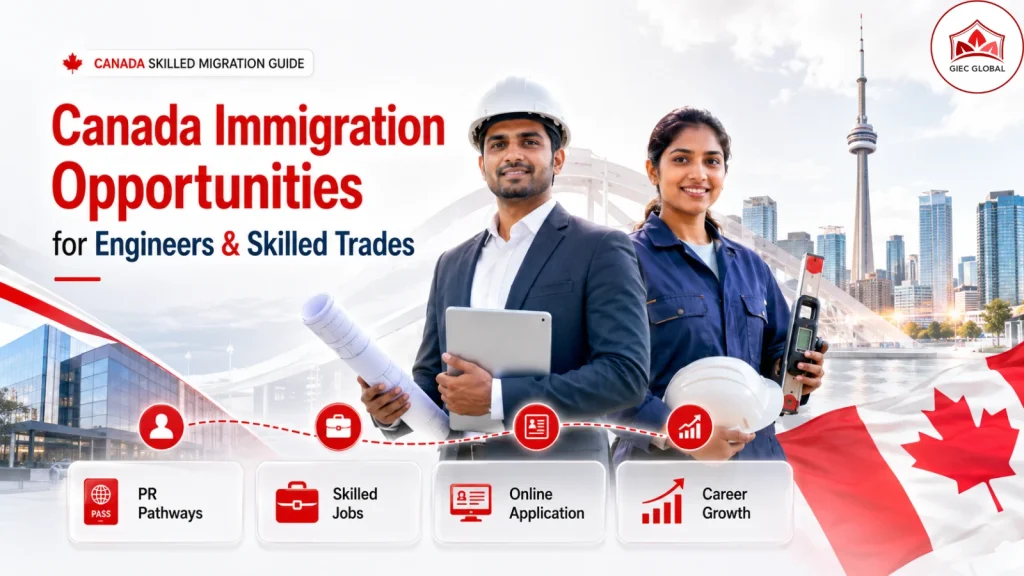
Canada Immigration Opportunities for Sri Lankan Engineers and Skilled Trades
Canada immigration continues to attract skilled professionals from around the world, and Sri Lankan engineers and trades workers are among those benefiting from growing opportunities. With labour shortages across key industries such as construction, manufacturing, transportation, and engineering, Canada is actively welcoming qualified foreign workers through various immigration programs.
Whether you are looking to apply for Canada PR, secure a Canada work visa, or explore the easiest way to immigrate to Canada, there are multiple pathways available. Programs such as Express Entry and Provincial Nominee Programs (PNPs) offer routes to become a permanent resident Canada while building a successful career and enjoying a high quality of life.
Understanding the Canada immigration process, Canada PR eligibility requirements, and the Canada immigration online application system is essential before starting your journey. From submitting a Canada online visa application to exploring options like a student visa Canada or Canada business visa, choosing the right pathway can improve your chances of success.
For Sri Lankan applicants planning on moving to Canada, professional guidance from a Canada PR consultant or Canada immigration consultant can simplify the application process and help avoid costly mistakes. Trusted Canada immigration services, including support from immigration lawyers in Canada and immigration lawyer Canada free consultation options, can also provide valuable assistance.
Giecglobal Education and Migration- Sri Lanka helps aspiring immigrants navigate the Canada immigration application process with expert advice and personalized support, making the dream of migrating to Canada more achievable.
Why Canada Needs Engineers and Skilled Trades Workers
Canada continues to face workforce shortages across several industries as its population ages and infrastructure projects expand. To maintain economic growth and support major development plans, the country requires a steady supply of qualified engineers and skilled trades professionals.
Growing Demand Across Key Industries
Many sectors are actively seeking experienced workers, including:
Construction and infrastructure development
Manufacturing and industrial production
Energy and renewable resources
Transportation and logistics
Information technology and engineering services
Large-scale projects across provinces have increased the need for professionals who can design, build, maintain, and manage essential systems and facilities.
Impact of an Aging Workforce
A significant number of experienced workers are approaching retirement, creating skill gaps in many occupations. As older employees leave the workforce, employers need qualified professionals to fill these positions and transfer critical knowledge to the next generation.
Opportunities for Skilled Professionals
Engineers and trades workers often benefit from:
Strong job demand
Competitive salaries
Career advancement opportunities
Access to professional training and certifications
Long-term employment stability
Professionals with experience in civil, mechanical, electrical, and software engineering, as well as trades such as welding, plumbing, carpentry, and electrical work, are particularly valued.
A Strong Future for International Talent
To address labour shortages, Canada continues to welcome qualified professionals from abroad. This creates excellent opportunities for Sri Lankan engineers and skilled trades workers who want to build successful careers while enjoying a high standard of living.
Canada PR Process for Skilled Professionals
For engineers and skilled trades workers, obtaining permanent residency involves several important steps. Understanding the process in advance can help applicants prepare effectively and improve their chances of success.
Step 1: Assess Your Eligibility
Before starting an application, candidates should evaluate factors such as:
Age
Education
Work experience
Language proficiency
Adaptability and other qualifications
Meeting the minimum requirements is essential before proceeding further.
Step 2: Gather Required Documents
Applicants typically need to prepare documents such as:
Educational credentials
Employment records
Language test results
Passport and identity documents
Police clearance certificates
Medical examination reports
Having complete and accurate documentation helps avoid unnecessary delays.
Step 3: Create and Submit Your Profile
Eligible candidates can submit their details through the appropriate immigration pathway. Profiles are assessed based on various selection factors, and higher-ranked candidates may receive invitations to apply for permanent residency.
Step 4: Receive an Invitation and Submit a Complete Application
Once selected, applicants must provide supporting documents and submit a full application within the specified timeframe. Accuracy and consistency are important during this stage.
Step 5: Application Review and Final Decision
Immigration authorities review the submitted information, verify documents, and conduct security and medical checks. Processing times may vary depending on the program and individual circumstances.
Step 6: Prepare for Your New Life
After approval, applicants can begin planning their move by researching housing, employment opportunities, healthcare, and settlement services. Proper preparation helps ensure a smoother transition and successful integration into Canadian society.
Canada Immigration Online Application: Steps and Requirements
The canada immigration online application system has made it easier for skilled professionals to begin their journey toward living and working in Canada. Whether your goal is obtaining canada pr, a canada work visa, or exploring other immigration pathways, understanding the application process is essential.
Step 1: Check Your Eligibility
Before starting a canada immigration application, applicants should review the requirements for their chosen program. Factors commonly assessed include:
Age
Education
Work experience
Language proficiency
Adaptability factors
Understanding canada pr eligibility requirements can help you choose the most suitable immigration pathway.
Step 2: Prepare Supporting Documents
Applicants are generally required to submit:
Valid passport
Educational documents
Employment records
Language test results
Police clearance certificates
Medical examination reports
Providing accurate information can help prevent delays during the canada immigration process.
Step 3: Submit Your Online Application
Most immigration programs allow candidates to complete a canada online visa application through official government portals. Applicants can create profiles, upload documents, and track their application status online.
Step 4: Complete Additional Requirements
Depending on the program, applicants may need to:
Attend biometric appointments
Complete medical examinations
Provide additional documentation
Respond to requests from immigration authorities
Step 5: Wait for Processing and Decision
Once submitted, the application undergoes review and verification. Successful applicants may receive approval for a visa canada program or permanent resident canada status.
Top Immigration Pathways and Job Opportunities in Canada
Canada continues to attract skilled professionals from around the world by offering multiple immigration pathways and strong employment prospects. For Sri Lankan engineers and skilled trades workers, understanding the available options can make the canada immigration journey smoother and more successful.
Popular Immigration Pathways for Skilled Professionals
There are several routes available for those planning on migrating to canada:
Express Entry
Express Entry is one of the most common pathways for skilled workers. Candidates are ranked based on factors such as age, education, work experience, and language proficiency. Higher canada immigration points can improve the chances of receiving an invitation to apply for canada pr.
Provincial Nominee Programs (PNPs)
Many provinces select candidates whose skills match local labour market needs. Provincial nominations can significantly strengthen an applicant’s chances of becoming a permanent resident canada.
Employer-Sponsored Programs
Applicants with a valid job offer may qualify for a canada work visa or employer-supported immigration pathway. This option can help skilled professionals secure employment before moving to canada.
Study Pathway
International students often enter Canada through a student visa canada program. After graduation, many gain valuable Canadian work experience and later apply for canada pr through various immigration streams.
Business and Entrepreneur Programs
Experienced business owners and investors may consider a canada business visa to establish or expand operations in Canada.
In-Demand Job Opportunities
Canada has a growing demand for professionals across several industries, including:
Civil, mechanical, and electrical engineering
Software and IT services
Construction and infrastructure development
Manufacturing and industrial production
Transportation and logistics
Renewable energy and environmental services
Skilled trades occupations also remain highly sought after, including:
Electricians
Welders
Plumbers
Carpenters
Heavy equipment technicians
Industrial mechanics
Preparing for a Successful Application
Before submitting a canada immigration application, applicants should understand the canada immigration process, verify canada pr eligibility requirements, and complete any required canada immigration online application or canada online visa application steps.
Many applicants seek assistance from a canada immigration consultant or canada pr consultant to improve their application strategy and avoid common mistakes. Professional canada immigration services, along with support from immigration lawyers in canada and immigration lawyer canada free consultation options, can provide valuable guidance throughout the canada pr process.
Whether your goal is obtaining a visa canada approval, securing a skilled job, or finding the easiest way to immigrate to canada, careful planning is essential. Giecglobal Education and Migration- Sri Lanka helps aspiring immigrants explore suitable pathways and take confident steps toward building a successful future in Canada.
FAQs
1. Which engineering professions are most in demand in Canada?
Civil, mechanical, electrical, software, and industrial engineers are among the most sought-after professionals due to ongoing infrastructure, technology, and manufacturing projects.
2. Are skilled trades workers eligible to apply for permanent residency?
Yes. Many skilled trades occupations, including electricians, welders, plumbers, and carpenters, are eligible through various immigration programs designed to address labour shortages.
3. Do Sri Lankan qualifications need to be assessed before applying?
In most cases, educational credentials obtained outside Canada must be evaluated by an approved organization to determine their Canadian equivalency.
4. Is work experience required for skilled migration programs?
Yes. Most pathways require relevant work experience, although the exact requirements vary depending on the program and occupation.
5. Can I move with my spouse and children?
Many immigration programs allow applicants to include eligible family members, enabling spouses and dependent children to accompany them.
6. How important are language test results?
Language proficiency is a key factor in most immigration pathways. Strong test scores can improve overall eligibility and increase the chances of success.
7. What are the employment prospects for tradespeople after arrival?
Skilled trades workers often find opportunities in construction, manufacturing, transportation, maintenance, and industrial sectors, particularly in regions experiencing workforce shortages.
8. How long does the application process usually take?
Processing times vary depending on the chosen pathway, application completeness, and government workload. Some programs may be processed faster than others.
